
More Than a Meal
| Celebrate Aging
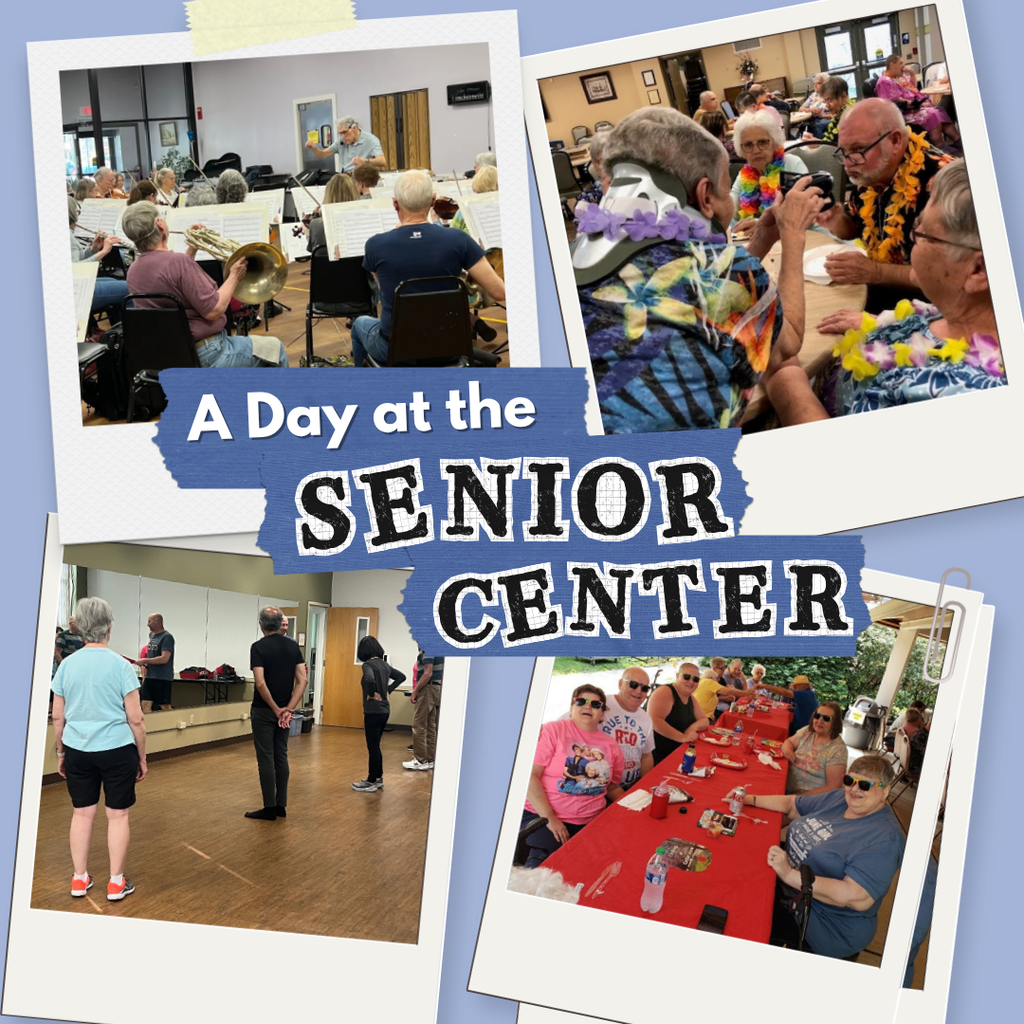
Ask someone what a senior center does, and most will say the same thing: “They serve lunch.” But that's just the door people walk through. Once inside, the door opens to card games and art classes, exercise groups and book clubs, holiday parties and day trips, staff who know everyone by name, and older adults who’ve become each other’s closest friends. The meal only gets people through the door. Everything after is the reason people keep coming back.
Senior centers are the core of connection. We’re highlighting the many services they offer, including socialization, structure, purpose, and a defense against one of the most serious health risks facing older adults: isolation.
The Hidden Cost of Isolation
Loneliness doesn’t just hurt older adults emotionally. It can make them physically sick. According to the National Academies of Sciences, Engineering, and Medicine, isolated older adults face a roughly 50% increased risk of dementia, a 29% increased risk of heart disease, and a 32% increased risk of stroke, along with higher rates of depression and even premature death. Life transitions like retirement, the loss of a spouse, or a change in caregiving responsibilities can leave older adults suddenly without the daily structure and community they once relied on.
That's where senior centers fill the void.
A Place to Belong
Lucy, an 83-year-old from Delaware County, experienced isolation firsthand. After years as her grandson's primary caregiver, his growing independence left an empty space in her life. "I didn't know what to do with myself," she recalled. That changed when she found her local senior center. Now she attends three times a week, has made more friends than ever before, and even volunteers to lead a class and check in on others. "You walk in and everyone knows your name. It's the most wonderful feeling in the world," Lucy said.
Jim had a similar experience after losing his mother. Grieving and unsure where to turn, he visited Active Aging, Inc. in Crawford County. A game of pool and a warm welcome from staff and fellow members turned into weekly visits, bus trips, picnics, and holiday parties. In Jim's words: "I was lost. That place saved my heart."
For Evelyn and Carl, their senior center started an unexpected new chapter. Both had lost spouses and were encouraged by family to give their local AAA in Meadville a try. What began with a painting class and a Valentine's Day dinner turned into friendship, romance, and marriage. Today, they attend center dinners together, take painting classes side by side, and serve as enthusiastic ambassadors for the center that brought them together.
Programming That Goes Beyond the Plate
Behind every success story is a variety of programs and services designed to keep older adults engaged, active, and connected. Many AAAs offer:
- Social and recreational activities: lunch groups, holiday parties, dances, and outings that build community.
- Educational programming: classes, workshops, and technology training that keep minds active.
- Volunteer opportunities: chances for older adults to give back, not just receive support.
- Wellness checks and health promotion: ways staff keep an eye on members' well-being.
- Transportation services: getting older adults to and from the center.
These programs work together to give older adults a reason to get up, get out, and stay part of a community.
The Role of Area Agencies on Aging
Across Pennsylvania, AAAs help fund, contract with, and support senior centers, making sure isolation doesn't have to be part of growing older. For Lucy, Jim, Evelyn, and Carl, and so many others, the difference between isolation and connection came down to walking through one door.
P4A is proud to support senior centers in Pennsylvania, helping older adults find a place where everyone knows their name.
Get Involved, Make a Difference
Visit p4a.org to learn more about senior centers and programming near you, and how you can advocate for the funding that keeps these vital community spaces open.